Revenge Bedtime Procrastination: Why You Stay Up and How to Stop

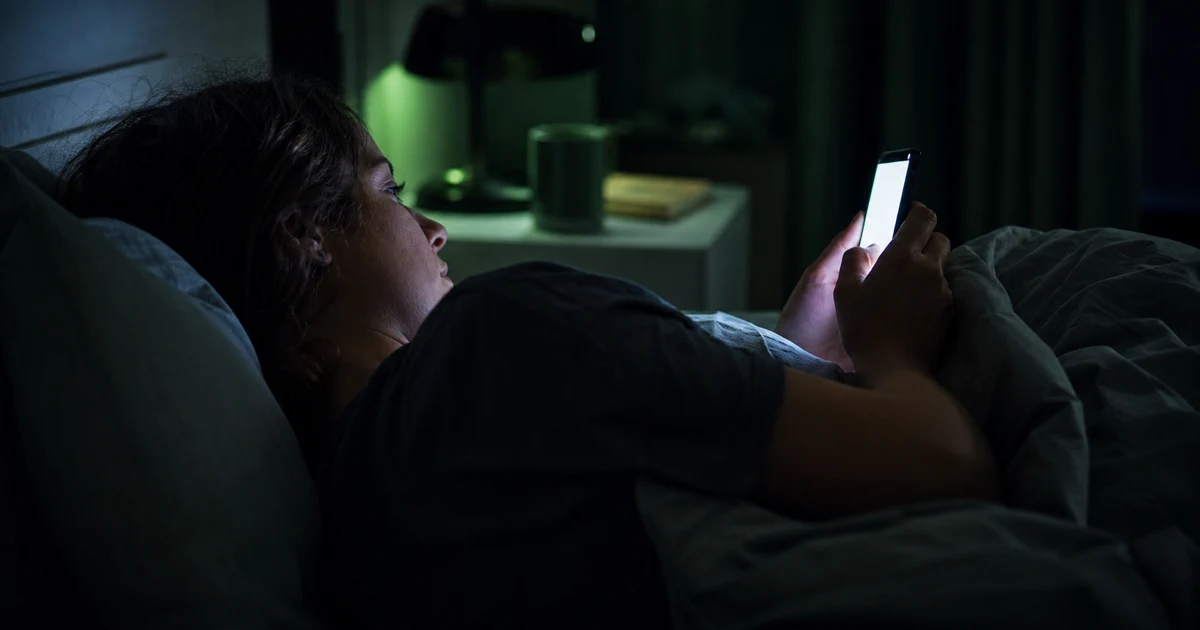
It’s 12:47 a.m. You’re tired. Tomorrow’s already looking rude. But putting the phone down feels like handing the last free part of your day back to work, chores, or everyone who needed something from you.
Revenge bedtime procrastination is voluntarily delaying sleep to reclaim personal time, even when you are tired and nothing external requires you to stay awake. To stop it, protect some real leisure before the end of the night, choose a clear stopping cue, and add friction to the activity that keeps the evening going.
The phone’s often involved, but it isn’t the whole story. You can procrastinate bedtime with a show, a game, a book, or one suspiciously urgent round of reorganizing your notes. The real pattern is trading tomorrow’s energy for a little more control tonight.
What revenge bedtime procrastination actually means
Researchers use the less dramatic term bedtime procrastination. The original research definition is going to bed later than intended when no external circumstance prevents you from doing so. A later systematic review and meta-analysis also describes it as a voluntary delay and links the pattern with inadequate sleep.
The “revenge” part describes the motive people recognize in themselves: the day did not feel like theirs, so they take time back at night. That explanation makes intuitive sense, but it is not a diagnosis and it is not the only reason someone stays up late.
Revenge bedtime procrastination is a conflict between two valid needs. You need sleep, and you also need time that isn’t owned by work, caregiving, errands, or other demands. At night, the reward of another scroll or episode is immediate. The cost arrives with tomorrow’s alarm. A useful plan has to deal with both sides. If it only removes the phone, the need for personal time is still sitting there, unpaid.
Is it bedtime procrastination, insomnia, or just a late night?
Don’t treat every late bedtime as the same problem.
| What is happening | The clearest signal | What to try first |
|---|---|---|
| Bedtime procrastination | You could go to bed, but keep choosing one more scroll, episode, chapter, or task. | Protect personal time earlier, set a stopping cue, and add friction to continuing. |
| Possible insomnia or another sleep problem | You go to bed intending to sleep but cannot fall asleep or stay asleep. | Talk with a qualified clinician if it is persistent or affects daytime life. A stricter app limit is not medical care. |
| An intentional late night | You knowingly choose a late bedtime and leave enough room for sleep afterward. | Treat it as a schedule choice, not automatically as a problem. |
| An externally forced late bedtime | Work, caregiving, pain, illness, or another demand keeps you awake. | Address the constraint where possible. The problem is not a failure to stop scrolling. |
This distinction matters. A qualitative study of bedtime delay found that some people who described themselves as procrastinating may actually have had insomnia-related difficulty. If you are lying in bed trying to sleep, this article is not a reason to blame yourself harder.
Why the night feels impossible to end
The day left no space that felt like yours
If every hour had an owner, midnight can feel like the first unscheduled territory. Going to bed then feels less like rest and more like surrender.
The mistake is not wanting leisure. You should have leisure. The bad deal is buying it with sleep at the exact moment your ability to stop is weakest.
Continuing is easier than switching
Bedtime is not one action. It is a pile of small transitions: stop the video, stand up, plug in the phone, brush your teeth, change clothes, turn off the light. Scrolling asks for one thumb movement.
That’s an unfair fight when you’re already tired. The answer isn’t a more inspirational bedtime. It’s fewer decisions.
Your content has no closing credits
Feeds do not finish. Autoplay starts the next episode before you decide whether you want it. Even useful content can become a loop when every page points to another page.
In a survey fielded in 2025 and reported by the American Academy of Sleep Medicine in 2026, 26% of 2,007 U.S. adults said they prioritized phone screen time over recommended sleep. That does not prove phones cause every late night. It does show that the trade is common enough to be painfully ordinary.
If negative news is the specific trap, use the more focused guide on how to stop doomscrolling. The plan below also works when the trap is entertaining, educational, or pretending to be productive.
How to stop revenge bedtime procrastination
You need two things: personal time that does not depend on stealing sleep, and a reliable way to end the activity when tired-you wants to continue.
1. Protect a small block of real leisure
Find 20 to 40 minutes before your wind-down and make it deliberately yours. Not chores. Not catching up on messages. Not “productive self-care” you secretly hate.
Choose something you actually want to do, then give it an ending. One episode. One chapter. One game. A timer is less important than a finish line you can recognize.
If your schedule genuinely contains no movable personal time, admit that. A bedtime hack cannot repair an impossible workload. Look for one demand to shorten, share, decline, or move. The goal is not a perfect evening routine. It is to stop making sleep pay every invoice.
2. Pick a cue that ends the evening
“I should go to bed soon” is not a cue. It is background noise.
Use an event you can observe:
- When this episode ends, I plug in my phone.
- At the first 10:30 alarm, I start the bathroom routine.
- After I send one final message, messaging is done for the night.
- When the tea is finished, the laptop closes.
A pair of randomized trials tested a more formal version of this approach, combining a desired outcome, an expected obstacle, and an if-then plan. The research doesn’t mean one sentence will fix your sleep. It does support making the handoff concrete instead of relying on a vague intention.
3. Remove the next easy continuation
Turn off autoplay. Charge the phone outside arm’s reach. Log out of the feed. Put the controller away before starting the last round. Move the book somewhere you cannot keep reading in bed.
The useful question is: What makes “one more” effortless? Remove that thing before you are tired enough to negotiate with yourself.
For replacement ideas that do not require heroic energy, pick one from what to do instead of doomscrolling. Keep it ready where the phone normally lands.
4. Keep the bed out of the argument
If possible, scroll, watch, or game somewhere other than bed. Then the transition is physical: leave the couch, put the device down, enter the bedroom.
The AASM recommends powering down electronics 30 to 60 minutes before bed, keeping phones out of the bedroom, silencing alerts, and maintaining a consistent schedule. You don’t have to adopt every rule tonight. Start with the boundary you’re most likely to keep.
5. Run a seven-night experiment
For one week, record four things:
- The bedtime you intended.
- The time you actually tried to sleep.
- What you kept doing instead.
- What you felt you were getting from it: quiet, fun, control, avoidance, connection, or something else.
This is not a clinical sleep test. It is a way to catch the repeatable part of your own loop. Your iPhone’s usage data can help if your memory gets suspicious after midnight; here is how to check Screen Time on iPhone.
A worked evening that does not ban fun
Suppose your usual pattern is this:
- 10:30 p.m.: You finish chores and open Instagram because the day finally feels over.
- 11:15 p.m.: You intend to stop, but move to YouTube.
- 12:30 a.m.: You go to bed annoyed and overtired.
Do not replace the whole evening with herbal tea and moral superiority. Change the handoffs:
- 9:50 p.m.: Take 30 minutes of chosen leisure before the last chores. Watch one saved video or message a friend.
- 10:30 p.m.: Finish the small remaining task. Put the charger across the room and start a blocker session for the feeds that usually take over.
- 10:45 p.m.: When the bathroom light turns off, the phone stays parked. Use one prepared offline option if you are not sleepy yet.
- Next morning: Note where the plan broke. Change that handoff, not your entire personality.
The exact times don’t matter. The structure does: leisure happens on purpose, the stopping point is visible, and the next scroll is less convenient.
Where Frogged can add friction
Frogged is an iPhone app for people who respond better to blunt accountability than another gentle reminder. You can start a Focus Mode session when your wind-down begins, or set daily duration limits across selected apps, app categories, and web domains. Frogged applies a block when a configured usage threshold is reached and can send roast-style notifications around a limit.
There are limits to the limit. Frogged does not provide a verified clock-based bedtime schedule, diagnose bedtime procrastination, or treat insomnia. A daily duration limit can also be used up before night. Use it as one piece of friction inside the plan, not as a substitute for fixing an evening with no personal time.
If you want to compare other ways to create friction, read how to block apps on iPhone.
When to get more help
Talk with a qualified health professional if you consistently give yourself the chance to sleep but cannot fall or stay asleep, or if sleep problems are affecting your safety, mood, work, or daily functioning. The National Heart, Lung, and Blood Institute lists frequent loud snoring, gasping for air during sleep, and daytime sleepiness among symptoms worth discussing with a health care provider.
An app blocker solves access to an app. It does not solve a sleep disorder, depression, anxiety, ADHD, an unmanageable workload, or a baby who has rejected the concept of nighttime.
Frequently asked questions
Is revenge bedtime procrastination the same as insomnia?
No. Bedtime procrastination means delaying the attempt to sleep when nothing external requires you to stay awake. Insomnia involves difficulty sleeping even when you give yourself the opportunity and intend to sleep. They can overlap, so persistent trouble falling or staying asleep is worth discussing with a clinician.
Why do I stay up late even when I am exhausted?
Late night may feel like the only time you control, while the activity in front of you is easier to continue than the bedtime transition. Exhaustion can make that transition harder, not easier. Protecting leisure earlier and deciding the stopping cue in advance reduces the number of choices left to tired-you.
Can an app blocker stop revenge bedtime procrastination?
It can interrupt one route into the pattern, especially if scrolling keeps extending your night. It cannot create personal time, make you sleepy, or treat insomnia. Pair the blocker with a realistic leisure block and a clear end-of-evening cue.
You are not trying to make your evening less yours. You are trying to stop borrowing it from tomorrow.
Want the phone to stop negotiating after your cutoff? Try Frogged for a blunt bit of iPhone friction. It is an app blocker, not a sleep treatment.